When you take your dog for a walk around the neighborhood or let them out into the backyard, picking up after them might feel like a minor chore designed just to keep your shoes clean. However, the choices we make regarding dog waste have a profound, cascading impact on our local public health, our drinking water infrastructure, and the delicate ecosystems of our regional waterways.
At Happy Hounds Pet Services, our mission extends beyond scooping yards. We believe that keeping our communities safe requires a shared understanding of how pet waste behaves in our environment. Dog waste is not a natural fertilizer, and leaving it on the ground creates serious environmental and health consequences. This educational resource page breaks down the science behind pet waste pollution and outlines how simple, everyday disposal habits protect our families, our pets, and our local ecosystems.
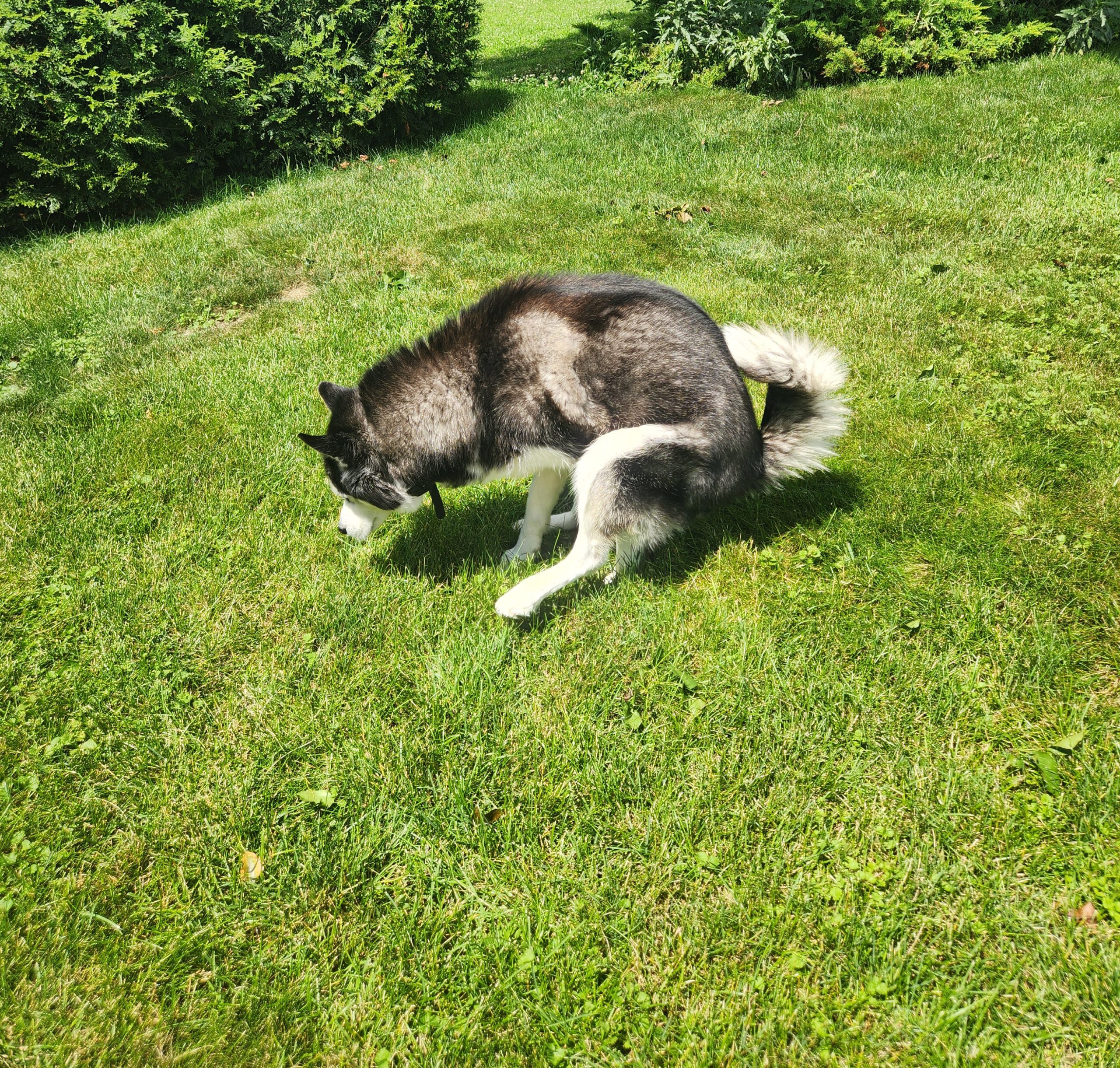
A common misconception is that dog feces simply dissolve into the dirt and benefit the lawn like cow manure. In reality, dogs are carnivores and omnivores, making their waste highly acidic and packed with entirely different types of bacteria, viruses, and parasites. When pet waste is left to decompose on local lawns, parks, or walking trails, it deposits millions of resilient pathogens directly into the soil.
These microscopic hazards can remain dormant and infectious in the ground for weeks, months, or even years, creating an invisible health threat for children playing in the dirt, gardeners, and other neighborhood pets.
| Pathogen Type | Common Examples | Health Impact on Humans & Pets |
| Bacteria | Salmonella, E. coli, Campylobacter | Causes severe gastrointestinal illness, cramping, diarrhea, and dehydration. |
| Parasites & Worms | Hookworms, Roundworms, Tapeworms | Can penetrate the skin or be accidentally ingested, leading to internal infections or tissue damage. |
| Protozoa | Giardia, Cryptosporidium | Microscopic parasites that cause chronic diarrheal diseases and are highly resistant to standard chlorine treatments. |
| Viruses | Canine Parvovirus | Highly contagious and life-threatening virus that spreads rapidly between unprotected dogs via contaminated ground. |
When pet waste reaches a body of water, it does not just introduce dangerous bacteria; it also introduces an overload of nutrients like nitrogen and phosphorus. While plants need these nutrients to grow, an excessive amount dumped into a river or lake triggers a destructive ecological chain reaction known as eutrophication.
To understand the true scale of the issue, we have to look at the cumulative math of our pet populations. The environmental footprint of a single dog might seem tiny, but when multiplied across an entire community, the numbers quickly become staggering.
Did You Know? The U.S. Environmental Protection Agency (EPA) officially places pet waste in the same nonpoint source pollution category as toxic chemical spills, oil runoff, and acid mine drainage.
Protecting our local environment does not require complex or expensive structural overhauls. It simply comes down to building consistent, mindful habits that prevent pet waste from interacting with our shared water cycle.
1. The Universal Standard: Scoop and Bag:
Always carry durable, leak-proof plastic bags on every walk. Pick up the waste immediately, tie the bag securely, and toss it into your household trash bin. Landfills are structurally engineered to safely contain and isolate waste from the surrounding groundwater table.
2. The Home Alternative: Flush It Down the Toilet
If you want to reduce plastic use, you can scoop loose waste from your yard and flush it directly down your toilet. Local municipal sewage treatment plants are specifically designed to filter out and treat the unique pathogens found in fecal matter. (Note: Never flush plastic bags or items labeled “flushable wipes,” as they clog pipes.)
3. Utilize Professional Sanitation Subscriptions
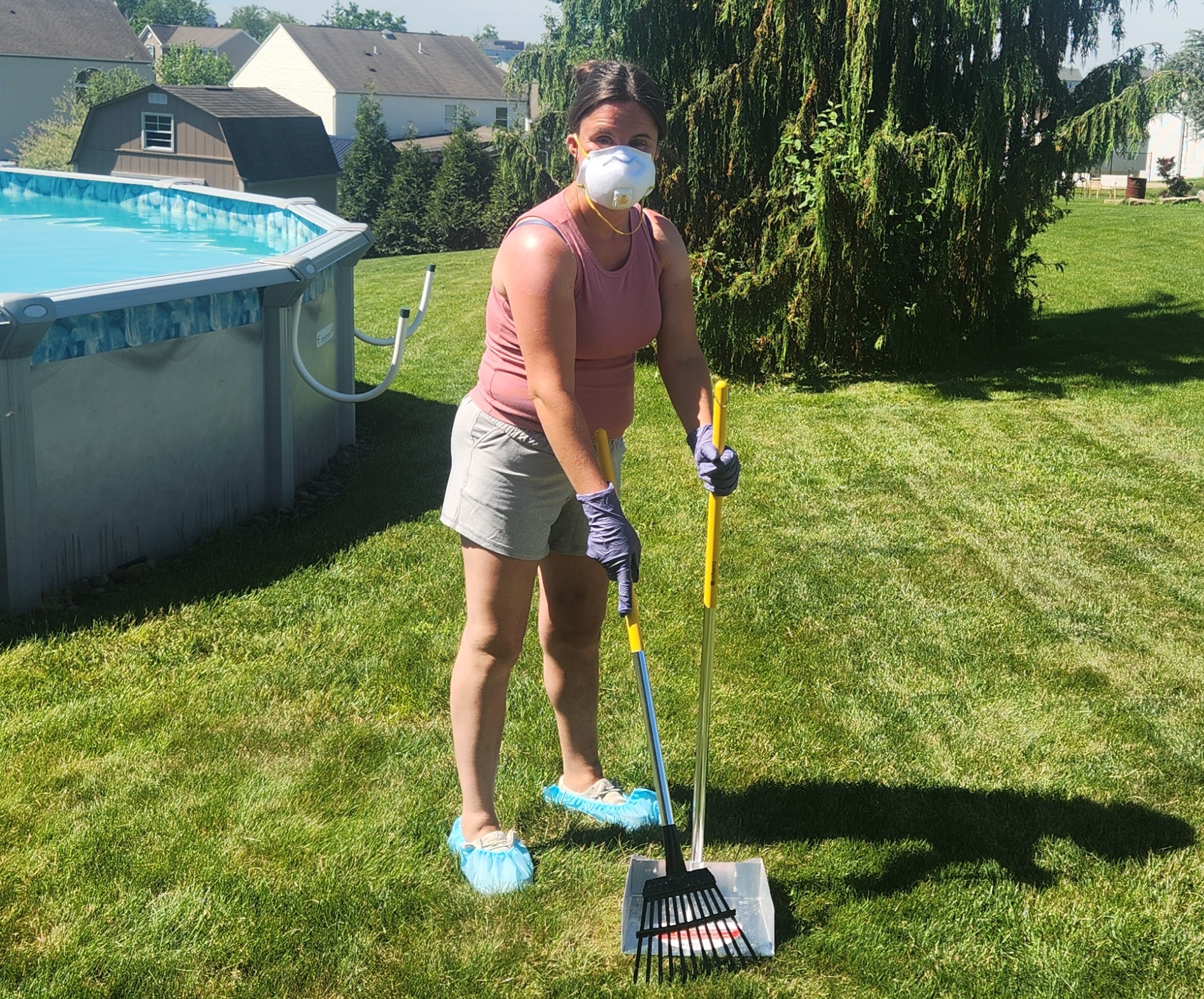
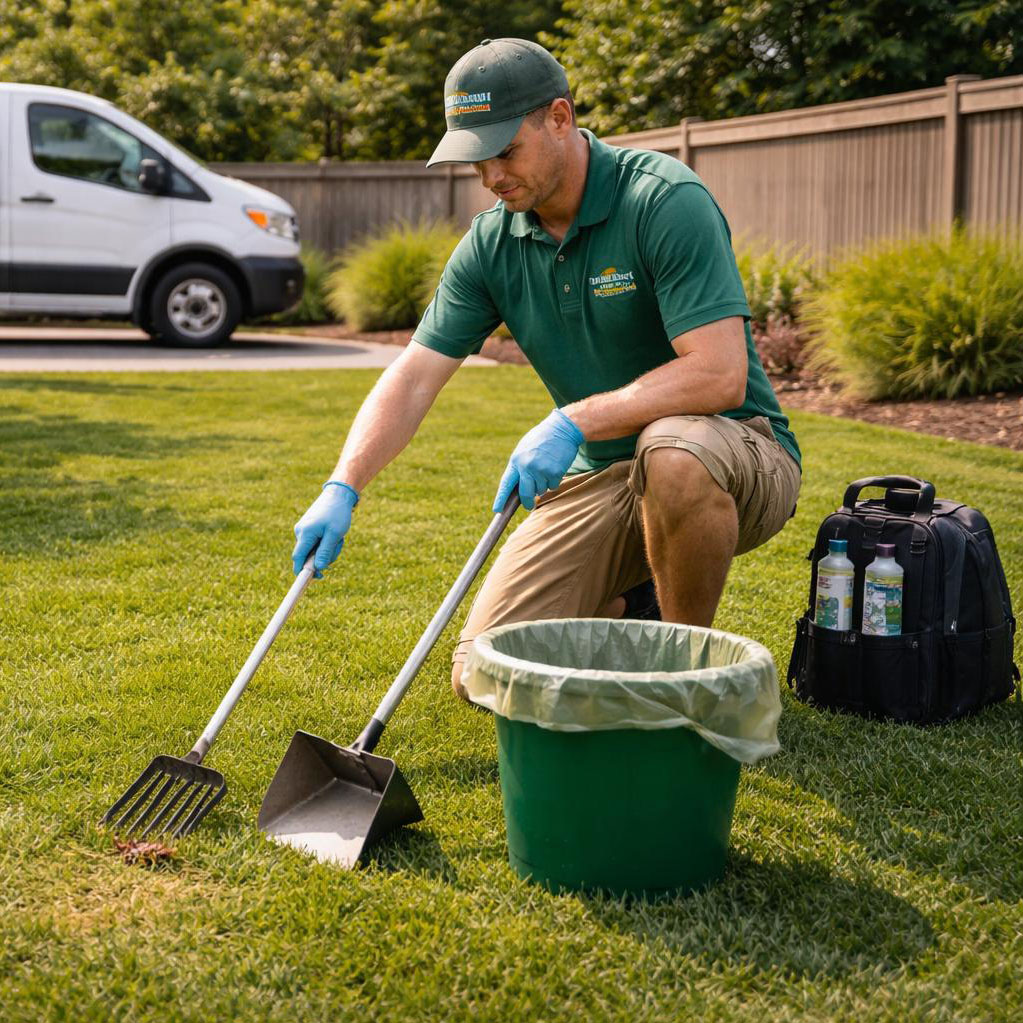
If your busy work schedule makes regular yard cleaning difficult, hire a dedicated cleanup crew to manage your property. Professional teams perform systematic sweeps, ensure double-bagging security, and haul the waste to designated processing sites.
4. What to Avoid: Never Compost Pet Waste
Never throw dog feces into your standard backyard vegetable compost pile. Residential compost piles rarely reach the sustained internal temperatures required to kill off resilient parasites like roundworms, meaning you could accidentally contaminate your food supply.
Want to learn more about water conservation, local water quality monitoring, or public health guidelines? Explore these authoritative scientific resources to see how communities across the country are working to reduce nonpoint source water pollution:
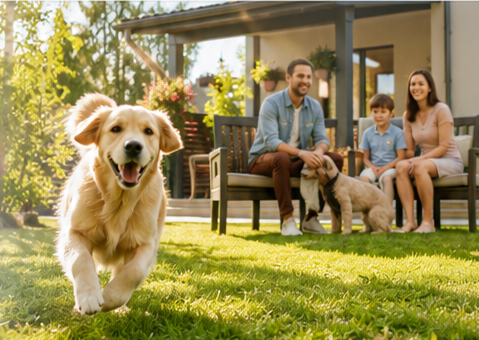
A healthy neighborhood starts right in our own backyards. By staying informed and committing to proper daily disposal practices, we can significantly reduce local water pollution, protect our native wildlife, and keep our parks safe for our families to explore.
If keeping up with daily yard sanitation is a challenge for your household or commercial property, our team at Happy Hounds Pet Services is always here to support you. We handle the dirty work with care and precision, ensuring your waste is collected and managed responsibly. Contact our Irwin office group today to discuss how we can help you maintain a clean, green, and healthy outdoor space.
Connect With Our Local Team